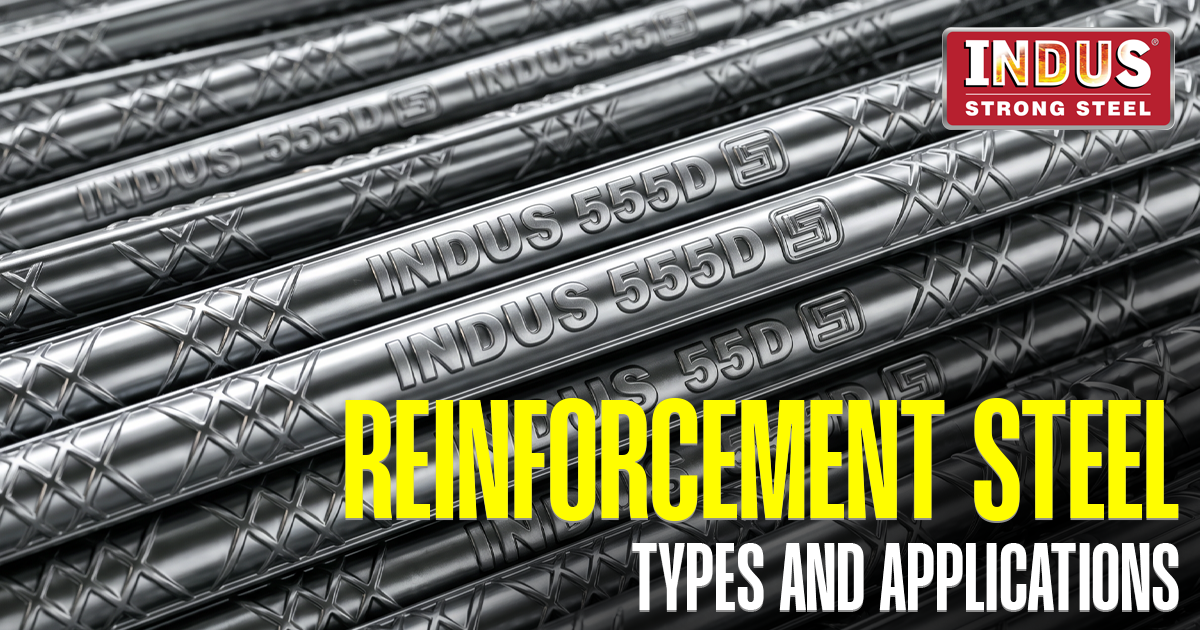
Authoritative technical research on Fe-550D high-ductility metallurgy, earthquake-resistant structural engineering, BIS 1786 compliance, and South India steel price benchmarks.
Reinforcement steel is an important construction material used to improve the strength and stability of concrete structures. It is commonly used in residential buildings, commercial buildings, bridges, roads and other infrastructure projects.
Concrete is strong when it comes to resisting compression, but it has limited tensile strength. This means concrete can crack when it experiences pulling forces or bending. Reinforcement steel helps address this limitation by providing additional strength and supporting the concrete under different structural loads.
Choosing the right reinforcement steel is important for the safety, durability and performance of a construction project. Engineers consider the steel grade, bar diameter, strength, ductility and applicable quality standards before selecting reinforcement bars.
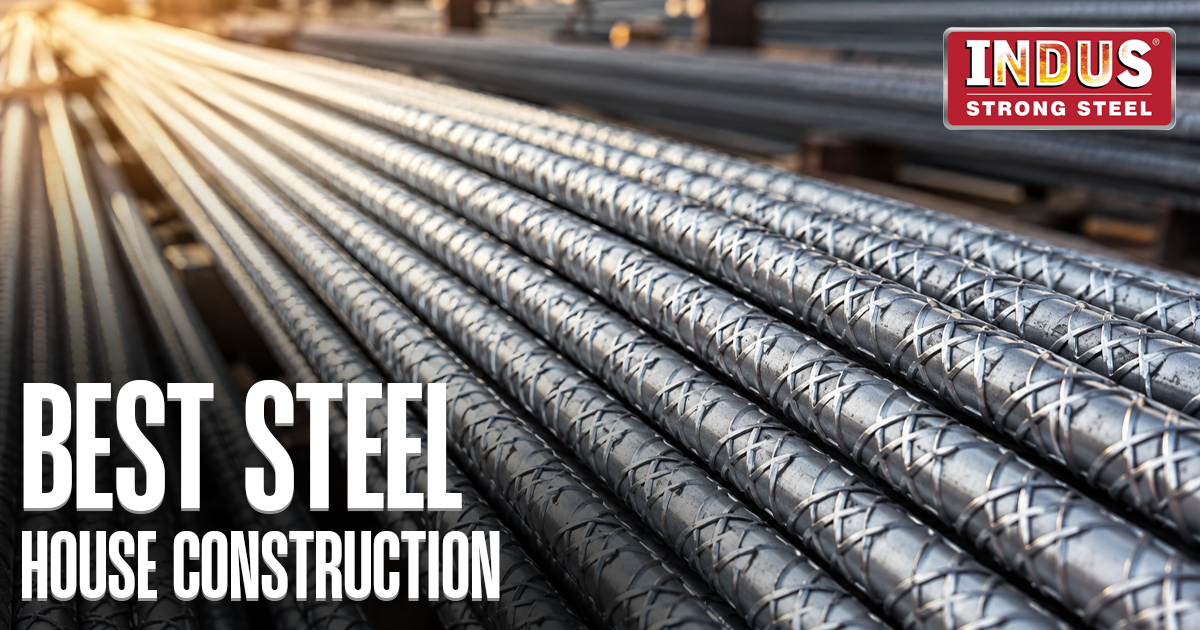
Building a house requires careful planning, from choosing the right location to selecting high-quality construction materials. Among these materials, reinforcement steel plays a critical role in the strength and stability of reinforced concrete structures. Selecting the right TMT bars can help ensure that the steel used in foundations, columns, beams and slabs meets the building's structural requirements.
If you are searching for the best TMT bar for house construction, understanding steel grades, ductility, quality standards and product specifications is essential. Different grades are designed to meet different engineering requirements, so homeowners should focus on choosing suitable reinforcement steel rather than simply purchasing the highest-strength option.
This 2026–27 guide explains what to look for when buying TMT bars, how common steel grades differ and which quality checks matter for residential construction.
No Matching Articles Found
No blog articles match your current search keyword or filter.