Why Are TMT Bars Important for House Construction?
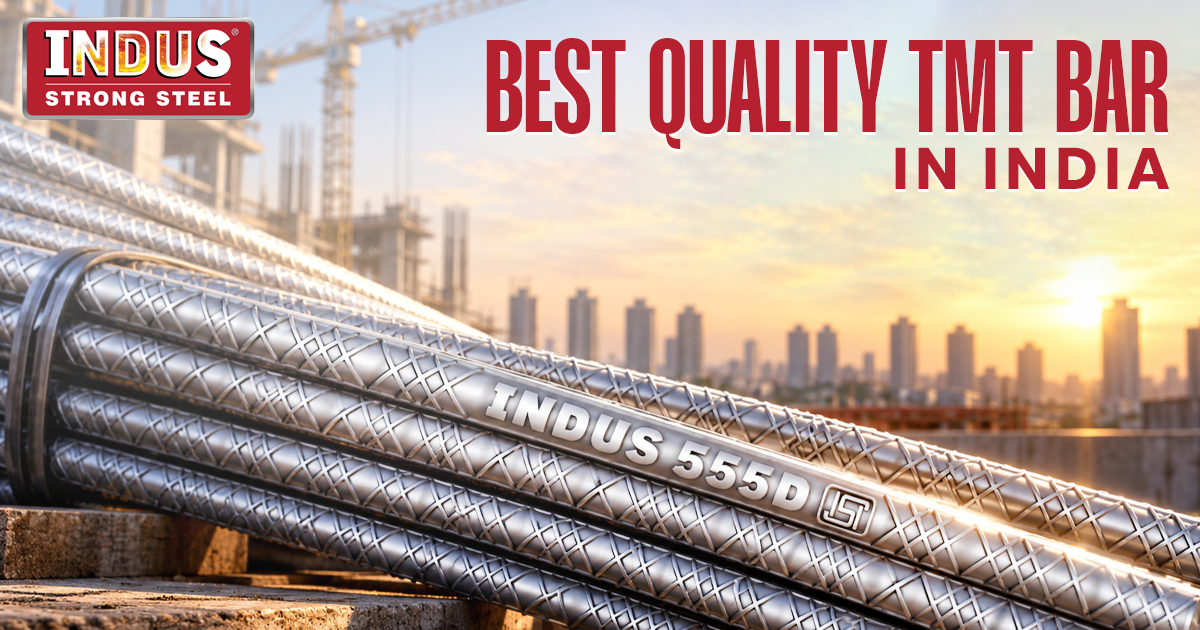
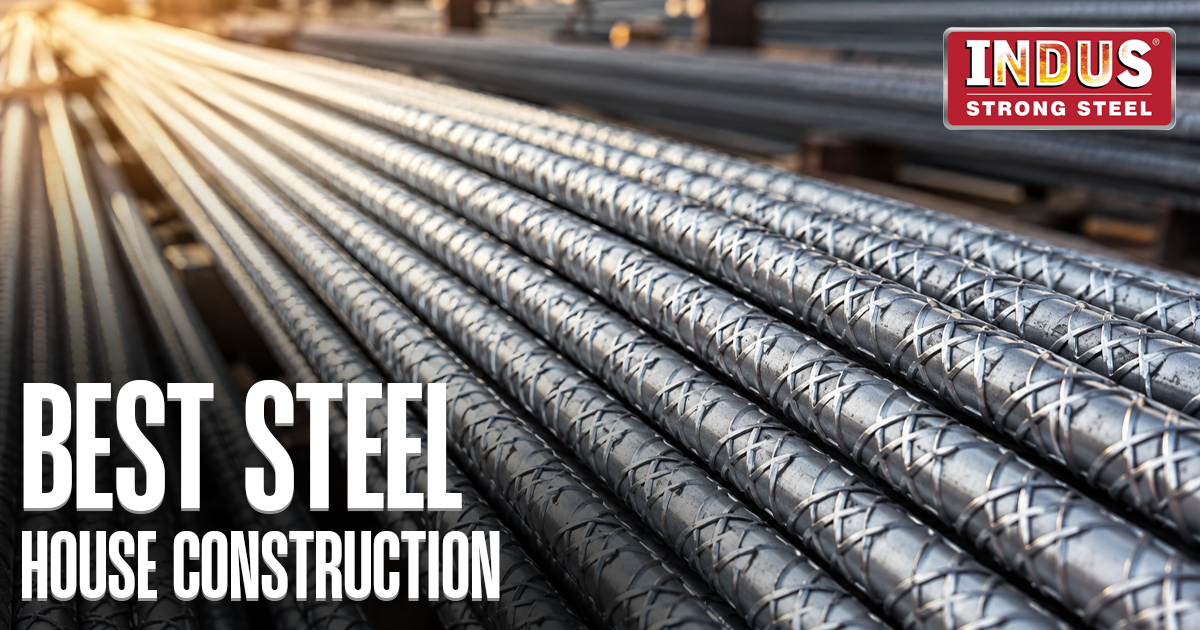
Thermo-Mechanically Treated (TMT) bars are reinforcement steel bars commonly used in reinforced concrete construction. They work together with concrete to help structural elements withstand the forces considered in the building's design.
Concrete is strong under compression but has comparatively low tensile strength. Reinforcement steel helps resist tensile forces and contributes to the overall structural performance of the building.
Here are some important benefits of using suitable TMT bars:
- Strength: Helps reinforced concrete members resist the loads specified in structural calculations.
- Ductility: Allows reinforcement to deform under certain loading conditions without sudden brittle failure.
- Bond with concrete: The ribbed surface helps provide mechanical interlock between the bar and surrounding concrete.
- Versatility: Can be used in foundations, columns, beams, slabs and other reinforced concrete components.
- Long-term performance: When combined with appropriate concrete cover, detailing and construction practices, reinforcement contributes to the durability of the structure.
The performance of a building depends on the complete structural system, not on steel quality alone.
Which Is the Best TMT Bar for House Construction in 2026–27?
The best TMT bar for a residential building is one that meets the applicable Indian standards and the grade specified by the structural engineer.
Fe 500, Fe 500D, Fe 550 and Fe 550D are among the grades buyers may encounter. Their suitability depends on the building design, structural loads, seismic requirements, material properties and applicable standards.
For many residential projects, ductility is an important consideration alongside strength. Homeowners should therefore compare the complete product specifications and avoid choosing steel based only on its grade number or price.
Before purchasing TMT bars, confirm:
- The grade specified in the structural drawings.
- Compliance with the applicable BIS standard.
- The manufacturer's product markings and certification.
- Mechanical properties and material test reports.
- Availability from a reliable supplier or authorised dealer.
7 Factors to Consider When Buying TMT Bars
1. Check BIS Certification: Ensure the TMT bars meet applicable BIS standards and verify the licence details, grade markings and test reports.
2. Evaluate Strength and Ductility: Check the steel's yield strength, tensile strength and ductility to ensure it meets your structural requirements.
3. Check the Bar Diameter: Choose the correct bar diameter and size according to your structural drawings and engineer's recommendations.
4. Inspect the Surface Condition: Look for cracks, deep corrosion, pitting or visible damage before accepting the steel.
5. Purchase from a Reliable Supplier: Buy from a trusted manufacturer or authorised dealer who provides proper invoices and product documentation.
6. Compare Price and Value: Compare prices for the same grade and specifications, including transportation and other applicable charges.
7. Store Steel Properly: Keep TMT bars on raised supports, away from standing water and corrosive substances, to maintain their condition before use.
How to Estimate TMT Bar Requirements for a House
The amount of TMT steel required depends on several factors, including the built-up area, number of floors, foundation design, soil conditions, column and beam dimensions, slab design and reinforcement details.
A general square-foot estimate may help with preliminary budgeting, but it cannot replace an engineering quantity calculation.
To estimate the requirement more accurately:
- Obtain the structural drawings from a qualified structural engineer.
- Review reinforcement details for the foundation, columns, beams and slabs.
- Use a bar bending schedule to calculate the required quantities.
- Account for appropriate cutting and bending waste.
- Confirm the final quantity with the engineer or contractor before ordering.
This approach helps minimise material shortages, excess stock and avoidable expenses.
Common Mistakes to Avoid When Choosing TMT Bars
Homeowners should avoid several common purchasing mistakes.
- Selecting steel based only on the lowest price.
- Assuming a higher grade is always the best choice.
- Purchasing material without checking certification and grade markings.
- Using different steel grades without approval from the structural engineer.
- Ignoring storage conditions and visible material damage.
- Estimating the entire steel requirement without structural drawings.
- Focusing only on the reinforcement steel while neglecting concrete quality, cover and installation practices.
A reliable construction process considers the complete structure, from material selection to proper installation and curing.
Conclusion
Choosing the best TMT bar for house construction in 2026–27 requires an understanding of steel grades, ductility, applicable standards and structural design requirements. Before purchasing, verify the product's BIS certification, mechanical properties, dimensions and material test reports. Compare suppliers carefully and ensure that the reinforcement is stored and installed correctly.
Indus TMT offers TMT reinforcement steel products for construction applications. Homeowners, builders and contractors can explore the available range and review the relevant technical specifications when evaluating steel for their projects.