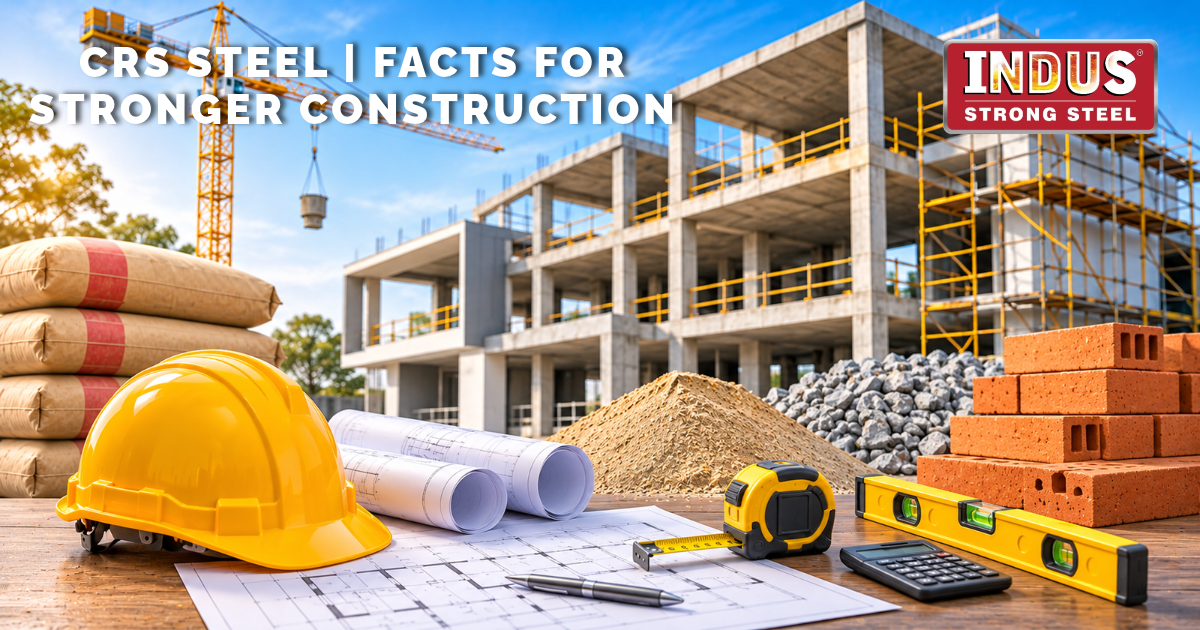
Reinforcement steel is an important construction material used to improve the strength and stability of concrete structures. It is commonly used in residential buildings, commercial buildings, bridges, roads and other infrastructure projects.
Concrete is strong when it comes to resisting compression, but it has limited tensile strength. This means concrete can crack when it experiences pulling forces or bending. Reinforcement steel helps address this limitation by providing additional strength and supporting the concrete under different structural loads.
Choosing the right reinforcement steel is important for the safety, durability and performance of a construction project. Engineers consider the steel grade, bar diameter, strength, ductility and applicable quality standards before selecting reinforcement bars.
What Is Reinforcement Steel?
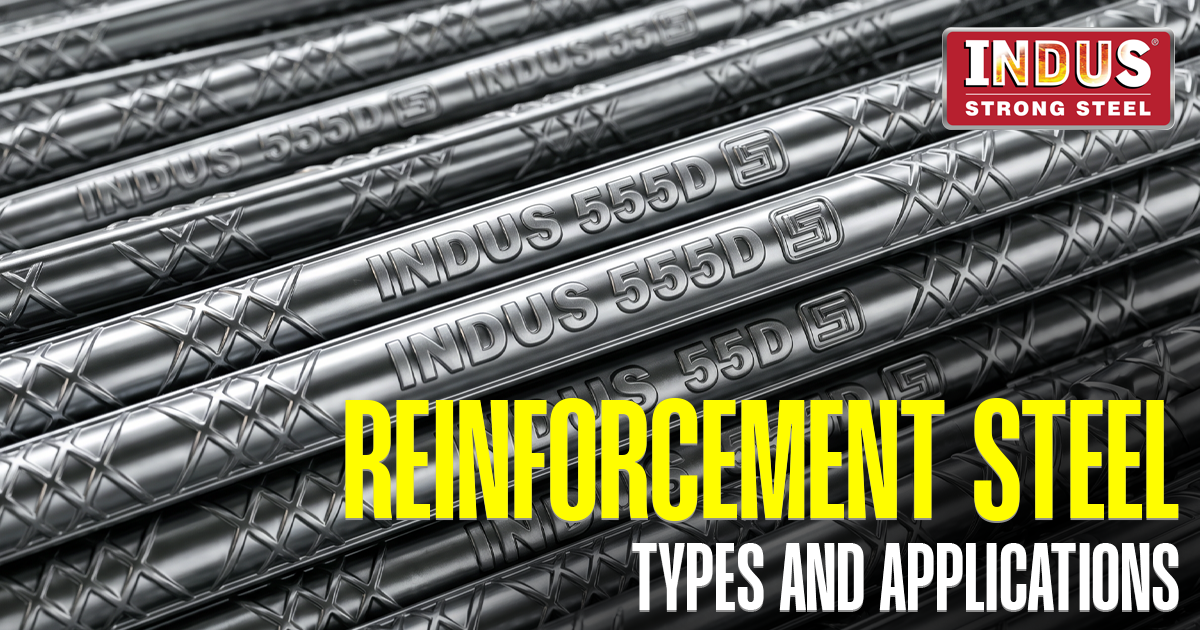
Reinforcement steel is steel used inside concrete to improve its ability to withstand tensile forces and bending stresses. It is commonly supplied in the form of steel bars, also known as reinforcement bars or rebar.
These bars are placed inside concrete according to structural drawings. When concrete is poured around them, the steel and concrete work together as a reinforced concrete structure.
Reinforcement steel is widely used in construction because steel and concrete have compatible thermal expansion characteristics. This helps them work together under normal temperature changes.
Grades of Reinforcement Steel
Reinforcement steel is available in different grades. Each grade has specific mechanical properties and is selected according to the structural requirements of a building or infrastructure project.
Fe 415 Reinforcement Steel
Fe 415 is a reinforcement steel grade with a specified minimum yield strength of 415 MPa.
It has been used in various reinforced concrete construction applications. The grade may be selected for projects where its strength and other mechanical properties meet the structural design requirements.
Fe 500 Reinforcement Steel
Fe 500 reinforcement steel has a specified minimum yield strength of 500 MPa.
It is commonly used in residential buildings, commercial structures and infrastructure projects. Its strength makes it suitable for many reinforced concrete applications when specified by the structural engineer.
Fe 500D Reinforcement Steel
The letter "D" indicates enhanced ductility compared with the corresponding non-D grade requirements.
Fe 500D reinforcement steel is used in construction projects where ductility and the ability to withstand deformation are important considerations.
Fe 550 Reinforcement Steel
Fe 550 reinforcement steel has a specified minimum yield strength of 550 MPa.
It may be used in projects requiring higher-strength reinforcement, depending on the structural design and applicable standards.
Fe 550D Reinforcement Steel
Fe 550D combines a higher specified yield strength with enhanced ductility requirements.
It can be considered for suitable reinforced concrete structures where the design requires its strength and mechanical properties.
The appropriate reinforcement steel grade should always be selected based on structural drawings, applicable standards and the recommendation of a qualified structural engineer.
Types of Reinforcement Steel
Different types of reinforcement steel are used depending on the construction method, structural design and application.
1. TMT Bars
Thermo-Mechanically Treated (TMT) bars are widely used in reinforced concrete construction.
TMT bars have a specially processed outer surface and a comparatively softer core. Their properties depend on the manufacturing process and the applicable product specifications.
They are commonly used in foundations, columns, beams, slabs and other concrete structures.
2. Mild Steel Reinforcement Bars
Mild steel reinforcement bars have a relatively smooth surface and lower strength compared with many modern high-strength reinforcement grades.
They have been used in certain construction and engineering applications. Their use in reinforced concrete structures depends on the design requirements and relevant standards.
3. Welded Wire Reinforcement
Welded wire reinforcement consists of steel wires arranged in a grid and joined at their intersections.
It is commonly used in concrete slabs, pavements and other applications where distributed reinforcement is required.
4. Stainless Steel Reinforcement
Stainless steel reinforcement is used in selected projects where improved corrosion resistance is required.
It may be suitable for structures exposed to aggressive environments, such as certain coastal or industrial locations. Its selection depends on the project requirements and cost considerations.
Applications of Reinforcement Steel
Reinforcement steel is used in many construction and infrastructure projects.
Residential Buildings
Reinforcement steel is used in foundations, columns, beams, slabs and staircases in residential buildings.
It helps concrete structural elements resist the forces they experience during the building's service life.
Commercial Buildings
Offices, shopping complexes, hotels and other commercial structures use reinforcement steel in their reinforced concrete elements.
The steel grade and bar size depend on the structural design and the loads expected on the building.
Bridges and Flyovers
Bridges and flyovers require reinforcement to support traffic loads and other structural forces.
Reinforcement steel is used in bridge decks, piers, beams and other reinforced concrete components.
Roads and Infrastructure
Reinforcement steel is used in selected road infrastructure projects, retaining walls, drainage structures and concrete pavements.
It helps improve the structural performance of concrete elements under designed loading conditions.
Industrial Buildings
Factories, warehouses and industrial buildings use reinforcement steel in foundations, floors, columns and other structural components.
The reinforcement requirements depend on the building design, equipment loads and operating conditions.
Benefits of Reinforcement Steel
Improves Tensile Strength
Concrete has limited tensile strength. Reinforcement steel helps resist tensile forces and reduces the risk of structural cracking caused by tension.
Supports Structural Stability
When properly designed and placed, reinforcement steel helps concrete structures resist bending, shear and other forces.
Provides Ductility
Ductility allows steel to deform before failure. Suitable reinforcement grades with required ductility can help structures respond more effectively to certain loading conditions.
Offers Strong Bond with Concrete
The ribbed surface of reinforcement bars helps provide mechanical bonding with concrete. Proper bonding allows steel and concrete to work together as a composite structural material.
Supports Long-Term Performance
When the correct steel grade is used and the reinforcement is properly placed, covered and protected, it contributes to the durability and service life of reinforced concrete structures.
How to Choose the Right Reinforcement Steel
Before purchasing reinforcement steel for a construction project, consider the following factors:
- Steel grade: Select the grade specified in the structural drawings.
- Bar diameter: Choose the required diameter according to the design.
- Quality standards: Check that the product meets the applicable BIS standard and certification requirements.
- Ductility: Consider the ductility requirements of the project.
- Surface condition: Check for excessive rust, damage or other visible defects.
- Supplier reliability: Purchase from a reliable manufacturer or authorised supplier and verify product documentation.
Do not select reinforcement steel based only on price. The steel grade, quality, certification and suitability for the project are important considerations.
Conclusion
Reinforcement steel plays a major role in modern construction by improving the tensile strength and structural performance of concrete.
Different grades, including Fe 415, Fe 500, Fe 500D, Fe 550 and Fe 550D, are available for different construction requirements. TMT bars are widely used in residential buildings, commercial structures and infrastructure projects.
Selecting the right reinforcement steel requires careful consideration of the structural design, steel grade, bar diameter, quality standards and project conditions.
For safe and durable construction, always follow the approved structural drawings and consult a qualified structural engineer before choosing reinforcement steel.
Frequently Asked Questions
What is reinforcement steel used for?
Reinforcement steel is used inside concrete to improve its tensile strength and structural performance. It is commonly used in foundations, columns, beams, slabs and infrastructure structures.
Which grade of reinforcement steel is commonly used in construction?
Fe 500 and Fe 500D are commonly used reinforcement steel grades in many construction projects. The suitable grade depends on the structural design and project requirements.
What is the difference between Fe 500 and Fe 500D steel?
Both grades have a specified minimum yield strength of 500 MPa. Fe 500D has enhanced ductility requirements compared with Fe 500.
Why are TMT bars used in reinforced concrete?
TMT bars are widely used because they offer suitable strength, ductility and bonding characteristics for reinforced concrete applications when they meet the required specifications.
How do I calculate reinforcement steel weight?
The approximate weight of a round steel bar can be calculated using this formula:
Weight per metre = D² ÷ 162
Here, D represents the bar diameter in millimetres. To calculate the total weight, multiply the weight per metre by the bar length in metres.
You can also use the Indus TMT Steel Weight Calculator to estimate reinforcement steel weight for different bar diameters and lengths.Start writing your technical article or paste content here...