

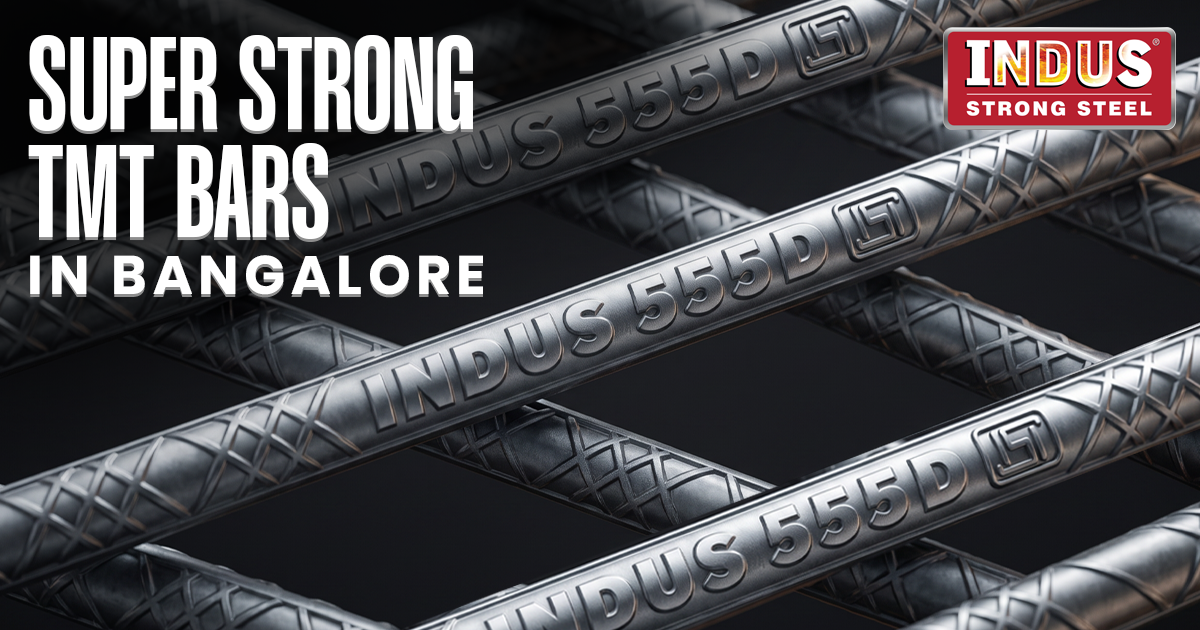
Critical Structural Insights
- Strength + Ductility Synergy: Super strong steel must be matched with high elongation to prevent sudden brittle failure under stress.
- Enhanced Concrete Bonding: Sharp, uniform CNC rib profiles maximize force transfer between steel and concrete.
- Manufacturing Precision: Computerized thermal quenching ensures consistent yield strength and bendability in every batch.
When planning a construction project, selecting the right reinforcement steel is an important decision. TMT bars form an essential part of reinforced concrete structures, helping them withstand different types of loads and stresses.
For this reason, many homeowners, engineers, architects and contractors look for super strong TMT bars in Bangalore when selecting reinforcement steel. However, strength should not be considered alone. A quality TMT bar should offer the right combination of strength, ductility, bonding, consistency and durability for the intended application.
Why Is TMT Bar Strength Important?
A building experiences different loads throughout its service life, including the weight of the structure itself, occupants, furniture, equipment and external forces. Reinforcement steel works together with concrete to handle these stresses, and the strength of the TMT bar determines how much stress the steel can withstand before reaching its specified limit.
Choosing TMT steel with appropriate strength ensures that the reinforcement matches the structural requirements established during design. However, stronger does not automatically mean better for every project—the grade and properties of the TMT bar should always be selected according to the structural design and guidance of a qualified engineer.
Strength and Ductility Should Work Together
A common mistake when comparing TMT bars is focusing only on strength. Ductility is equally important. It refers to the ability of steel to deform under stress without sudden failure, allowing reinforcement to respond safely to dynamic structural stresses. This is why super strong TMT bars in Bangalore should be evaluated based on more than their strength values alone.
Before choosing a product, consider these core properties for a complete picture of reinforcement steel performance:
- Yield strength – Load capacity before permanent deformation
- Tensile strength – Maximum stress absorbed before fracture
- Elongation – Flexibility and seismic shock absorption
- Bendability – Ability to cold-bend 180° without micro-cracks
- Chemical composition – Restricted Carbon, Sulphur, and Phosphorus
- Concrete bonding – High rib area for superior anchorage
Better Bonding Between Steel and Concrete
TMT bars have a ribbed surface designed to improve interaction with concrete. The ribs increase the contact area between the reinforcement and concrete, helping transfer forces effectively within the reinforced structure. Therefore, when comparing super strong TMT bars in Bangalore, it is essential to look at the surface profile and bonding characteristics alongside mechanical strength.

Consistent Quality Matters
Strength should remain consistent from one production batch to another. Variations in dimensions, weight or mechanical properties make material planning difficult for construction professionals, whereas consistent TMT bars help engineers and contractors estimate reinforcement requirements accurately and manage material usage during construction.
Checking these specifications before purchasing helps ensure that the selected TMT steel meets the exact requirements of the project.
Manufacturing Process Influences Performance
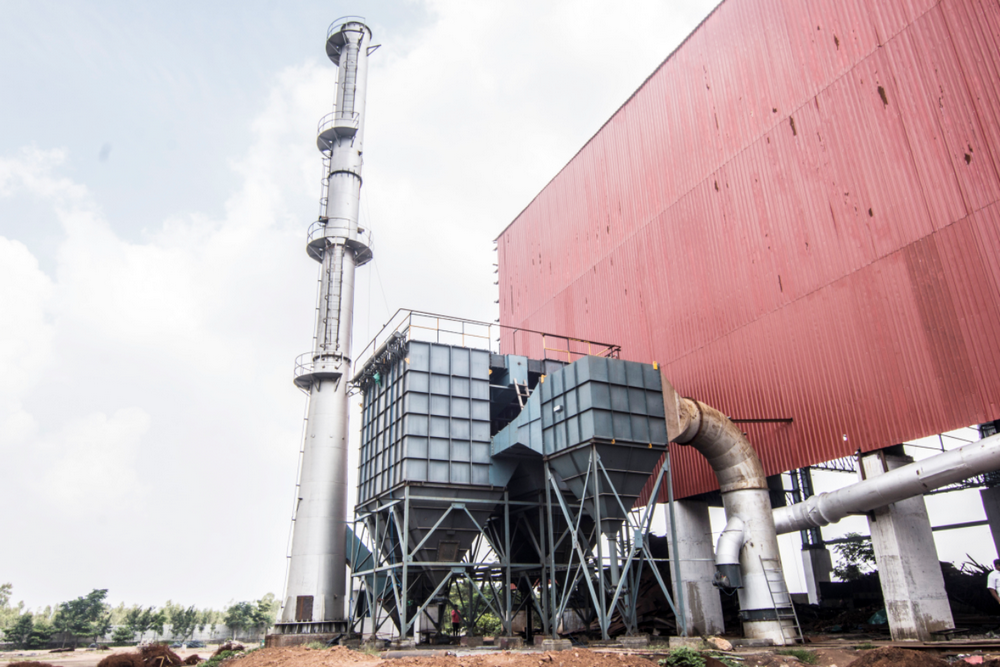
The final properties of TMT steel are directly influenced by its manufacturing process. Production involves several controlled stages—including raw material preparation, billet production, rolling and thermo-mechanical treatment—where temperature control and controlled cooling develop the desired balance of strength and ductility. Understanding the manufacturing and quality-control practices behind the product helps you select truly reliable TMT bars.
Quality Testing Provides Greater Confidence
Testing verifies whether TMT bars meet their specified requirements. Depending on the applicable standards and product specifications, quality testing covers:
- Yield strength and tensile strength verification
- Percentage elongation and bend/rebend performance
- Spectrometer chemical composition analysis
- Nominal mass and dimensional accuracy checks
Construction professionals should review relevant test certificates and product documentation before purchasing reinforcement steel to confirm that the supplied material meets expected specifications.
Why Strength Matters for Bangalore Construction
Bangalore has a diverse construction environment, ranging from individual residential homes and apartments to commercial buildings and larger developments, each with distinct structural requirements. For homeowners, the structural engineer's recommendation should always be the starting point, while contractors and builders should also evaluate product consistency, availability and quality documentation when planning material procurement.
What Should You Check Before Buying TMT Bars?
If you are searching for super strong TMT bars in Bangalore, use this checklist before making a purchase:
- Check the Grade: Confirm the TMT grade required by the structural design.
- Compare Strength Values: Review yield strength and tensile strength rather than relying only on general strength claims.
- Check Ductility: Look at elongation and bendability to verify the flexibility of the steel.
- Review Concrete Bonding: Inspect the rib profile and bonding characteristics of the TMT bar.
- Verify Quality Information: Ask for batch test certificates and product documentation.
- Check Dimensions and Weight: Make sure the supplied bars match the specified diameter, length and unit weight.
- Consider Availability: Reliable supply is vital for maintaining construction schedules and avoiding site delays.
Indus TMT for Your Construction Requirements
Indus TMT focuses on providing reinforcement steel engineered for optimal strength, ductility, concrete bonding and manufacturing consistency. Our TMT solutions are designed to support diverse construction requirements, helping homeowners, engineers, architects and contractors select the right grade based on verified technical specifications rather than price or strength claims alone.
Explore Indus TMT products or contact the team to discuss your construction requirements.
Civil Engineers Discussion & Inquiries (3)
Very thorough comparison. We switched to Indus Fe-550D for our G+4 residential project in Whitefield, and the test report confirmed 16.5% elongation and zero cracks on 180-degree bend.
Does Indus supply custom cut-and-bend lengths directly from the Hosur mill to minimize site scrap?
Leave an Engineering Comment or Inquiry